
UAE
Country Profile
The United Arab Emirates (UAE) is a fascinating Middle Eastern nation with bustling cities, beautiful buildings, and a deep cultural history.
The United Arab Emirates (UAE), which consists of Abu Dhabi, Dubai, Sharjah, Ajman, Umm Al Quwain, Ras al Khaimah, and Fujairah, has quickly become a leading center for international trade, tourism, and technological innovation. Let’s delve into some key aspects of this vibrant nation.
History
Ancient civilizations and nomadic Bedouin tribes shaped UAE history. Before the UAE was formed, the area was mostly divided into separate sheikhdoms influenced by the Persians, Ottomans, and British.
To secure marine security and control over the crucial Persian Gulf, the British made treaties with the emirates in the 19th century. These accords established the Trucial States, which became the UAE.
Six Trucial States—Abu Dhabi, Dubai, Sharjah, Ajman, Umm Al Quwain, and Fujairah—formed the UAE on December 2, 1971. 1972 marked Ras Al Khaimah’s federation. Abu Dhabi’s Sheikh Zayed bin Sultan Al Nahyan was the UAE’s first president, while Dubai’s Sheikh Rashid bin Saeed Al Maktoum was vice president.
The 1950s and 1960s oil boom turned the UAE from a desert civilization into a modern and rich nation. The government spent its oil resources on infrastructure, education, healthcare, and diversification, spurring rapid development and foreign investment.
The UAE is becoming a worldwide player in banking, tourism, technology, and renewable energy. The nation’s rich history and culture are recognized and protected, while its vision for the future drives growth and innovation.
Cultural Heritage
The cultural history of the United Arab Emirates (UAE) is intricately woven with Islamic customs and Bedouin traditions. The Emirati people have a distinct culture because they honor tradition while still being forward-thinking and accepting of others from all over the world.
The practice of generous hospitality is highly valued in Emirati society. The people of the United Arab Emirates (UAE) have a well-deserved reputation for their hospitality and generosity. As a sign of hospitality, Arabs commonly provide guests with gahwa, their traditional coffee, and dates.
The Bedouin way of life deeply influences the traditions of the United Arab Emirates. Celebrating and preserving the Bedouin heritage of falconry, camel racing, and dhow sailing continues today. Festivals are organized all around the nation to celebrate the ancient art of falconry, which involves hunting with trained falcons.
The UAE is quite pleased with its long history of artistic achievement. The talents and ingenuity of Emirati craftspeople are on display in their weaving, ceramics, and silverwork. The Al Sadu weaving method has been passed down through the years and is used to produce elaborate designs on carpets and fabrics.
Emirati culture is heavily influenced by Islamic norms. The call to prayer echoes from mosques across the country and serves as a focal point for the community. Families join together to eat, drink, and give presents as they celebrate Islamic holidays like Eid Al-Fitr and Eid Al-Adha.
The United Arab Emirates is also host to several cultural celebrations that highlight the country’s rich history and traditions. Some examples of the many exciting annual cultural festivities are the Dubai Shopping Festival, the Abu Dhabi Festival, and the Sharjah Light Festival.
In recent years, the United Arab Emirates has made considerable efforts to protect and showcase its rich cultural history. The country’s museums highlight the Emirati people’s rich history, art, and culture; examples include the Louvre Abu Dhabi and the Sharjah Museum of Islamic Civilization.
In addition, the United Arab Emirates has taken on the role of “Capital of Islamic Culture,” with the stated goal of preserving and disseminating Islamic traditions across the world.
The collective traditions, practices, and values of the United Arab Emirates span many generations. The United Arab Emirates (UAE) is proud to be at the forefront of modernization and innovation while still honoring and maintaining its rich cultural heritage.
What Makes UAE Attractive?
Millions of tourists, expatriates, and corporations visit the UAE for various reasons. Some of the UAE’s appeal:
Modern Infrastructure
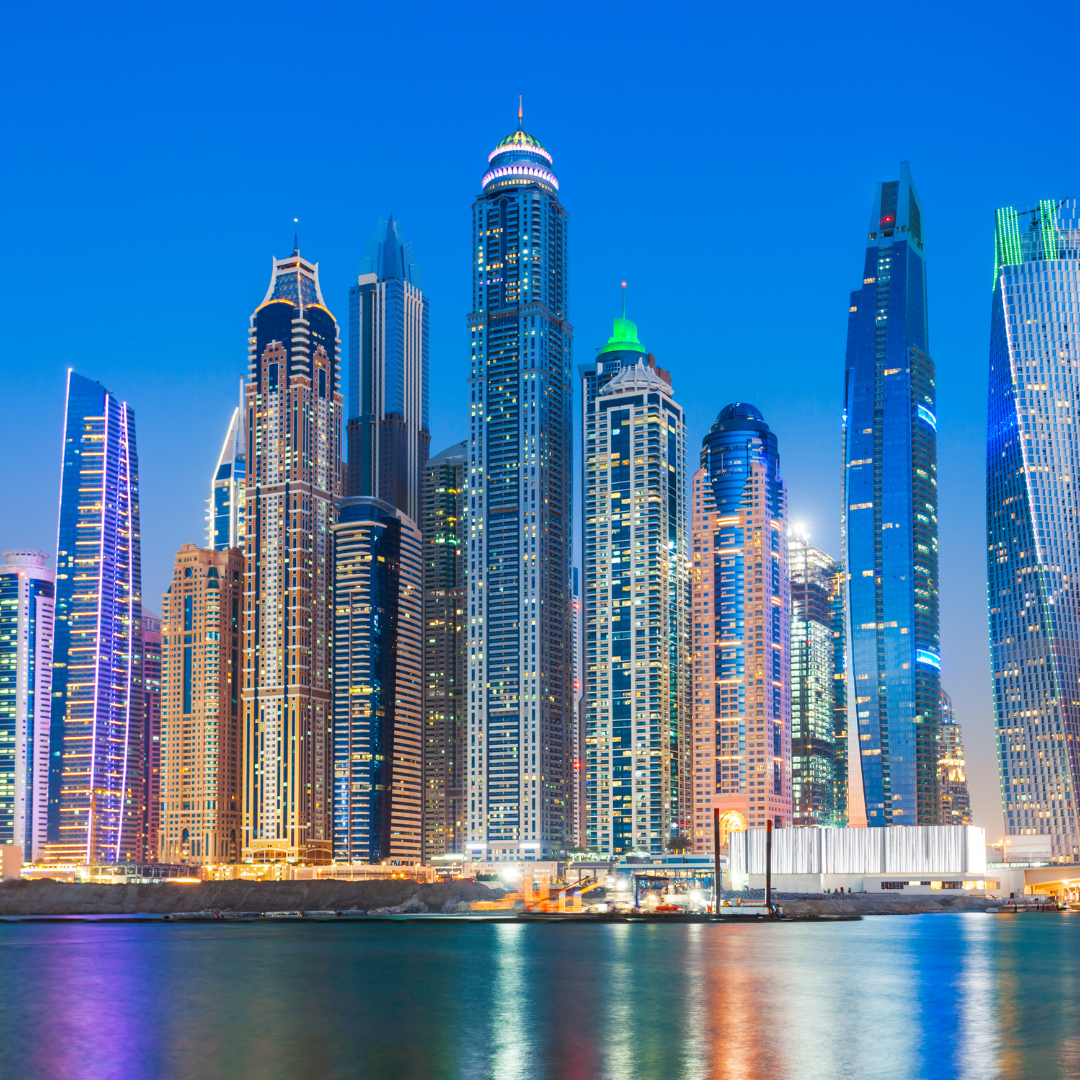
The UAE has world-class airports, skyscrapers, transit systems, and telecommunications networks. Modern infrastructure improves connection, convenience, business, and tourism.
Economic Prospects
The UAE’s diverse economy offers several commercial and entrepreneurial prospects. Tax advantages, free zones, and ease of doing business make the country business-friendly.
Dubai is a worldwide hub for commerce, finance, and innovation, drawing foreign corporations and encouraging entrepreneurship.
Tourism and Leisure
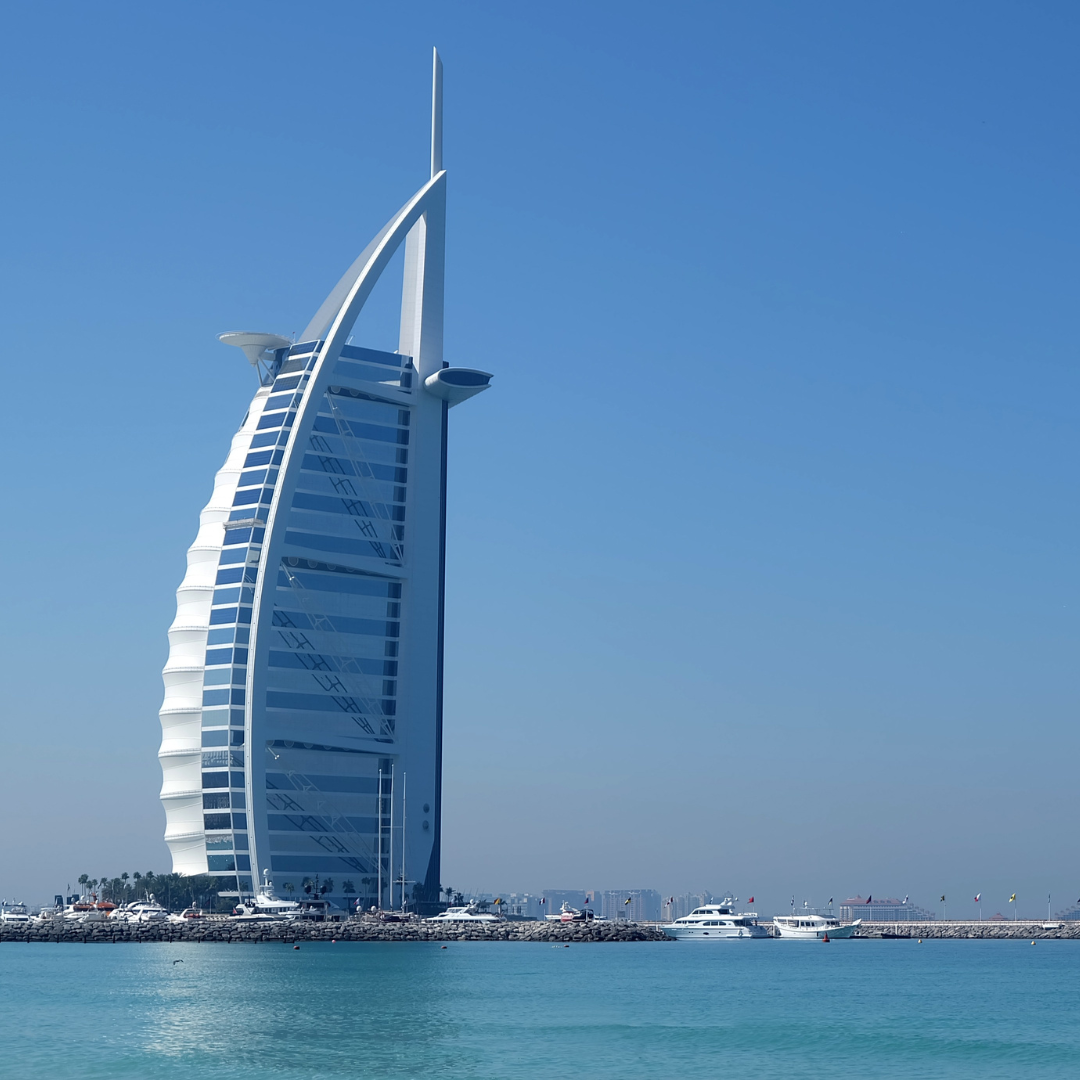
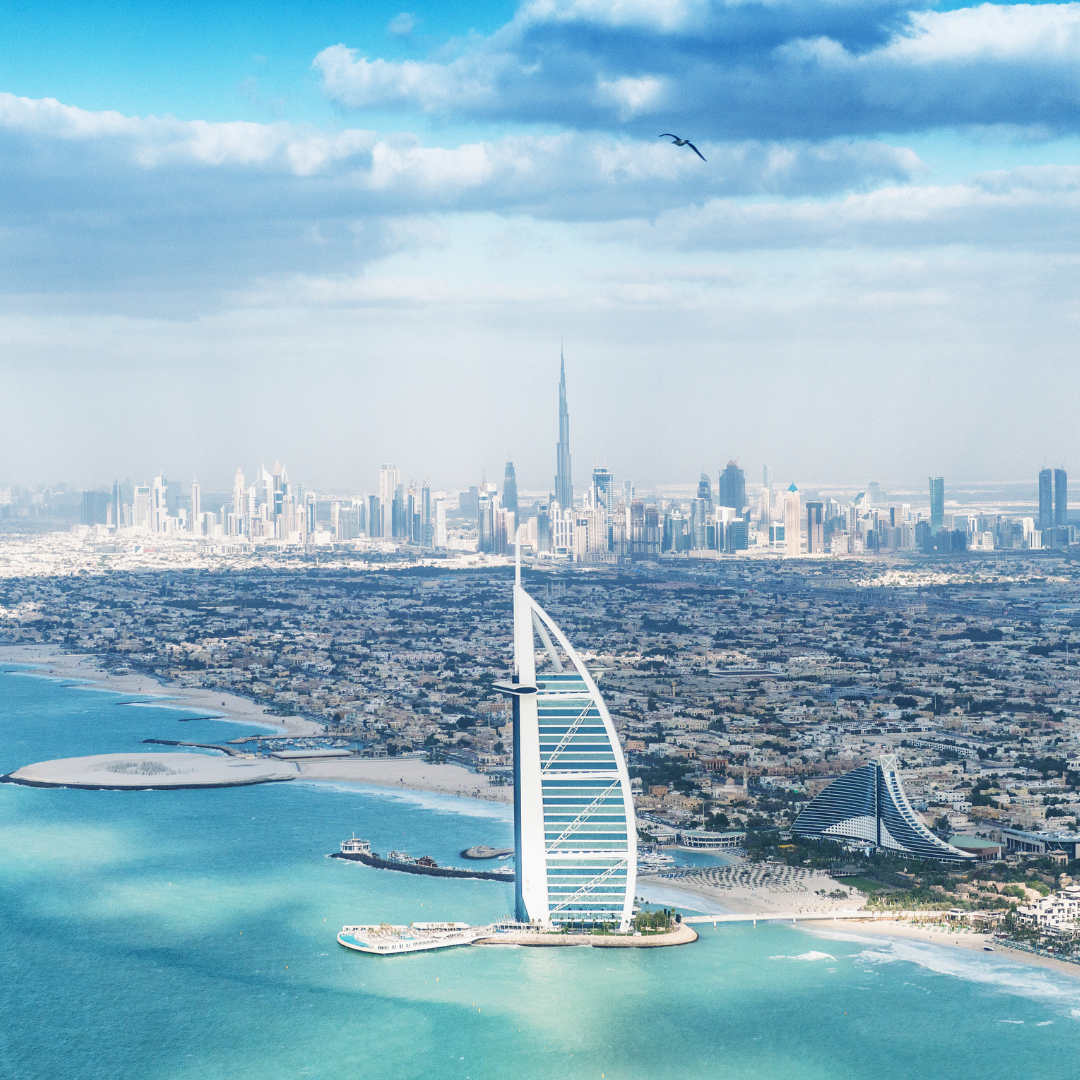
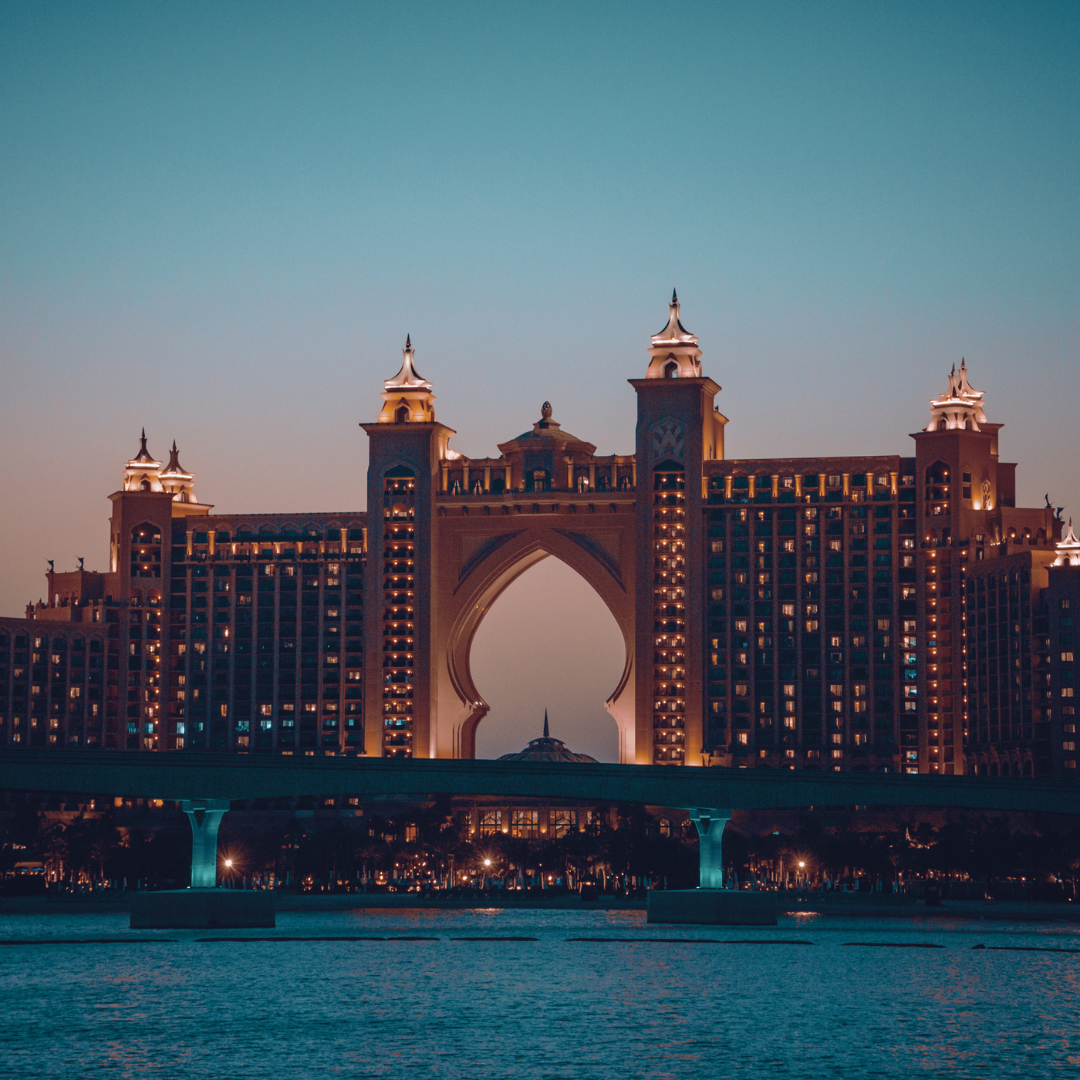
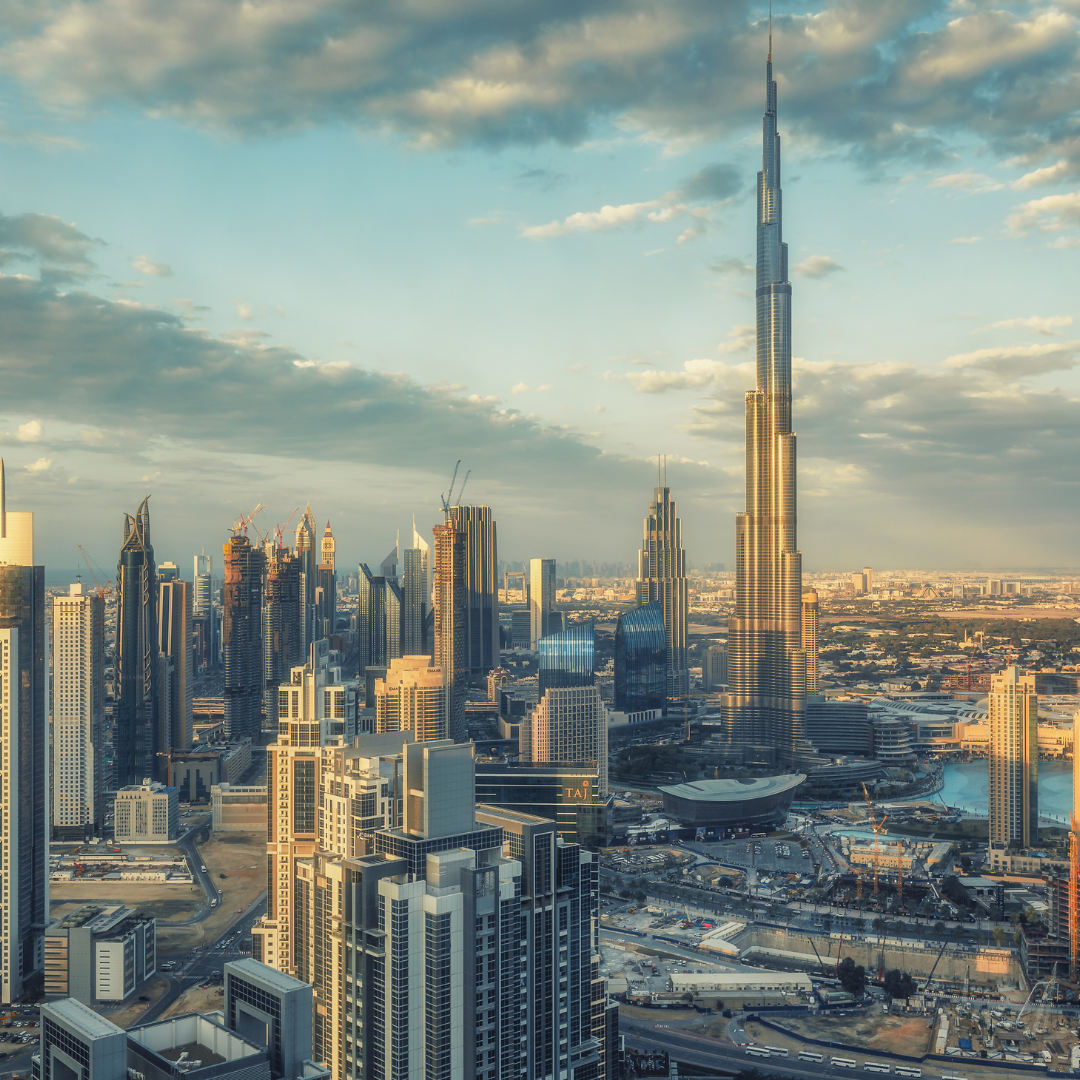
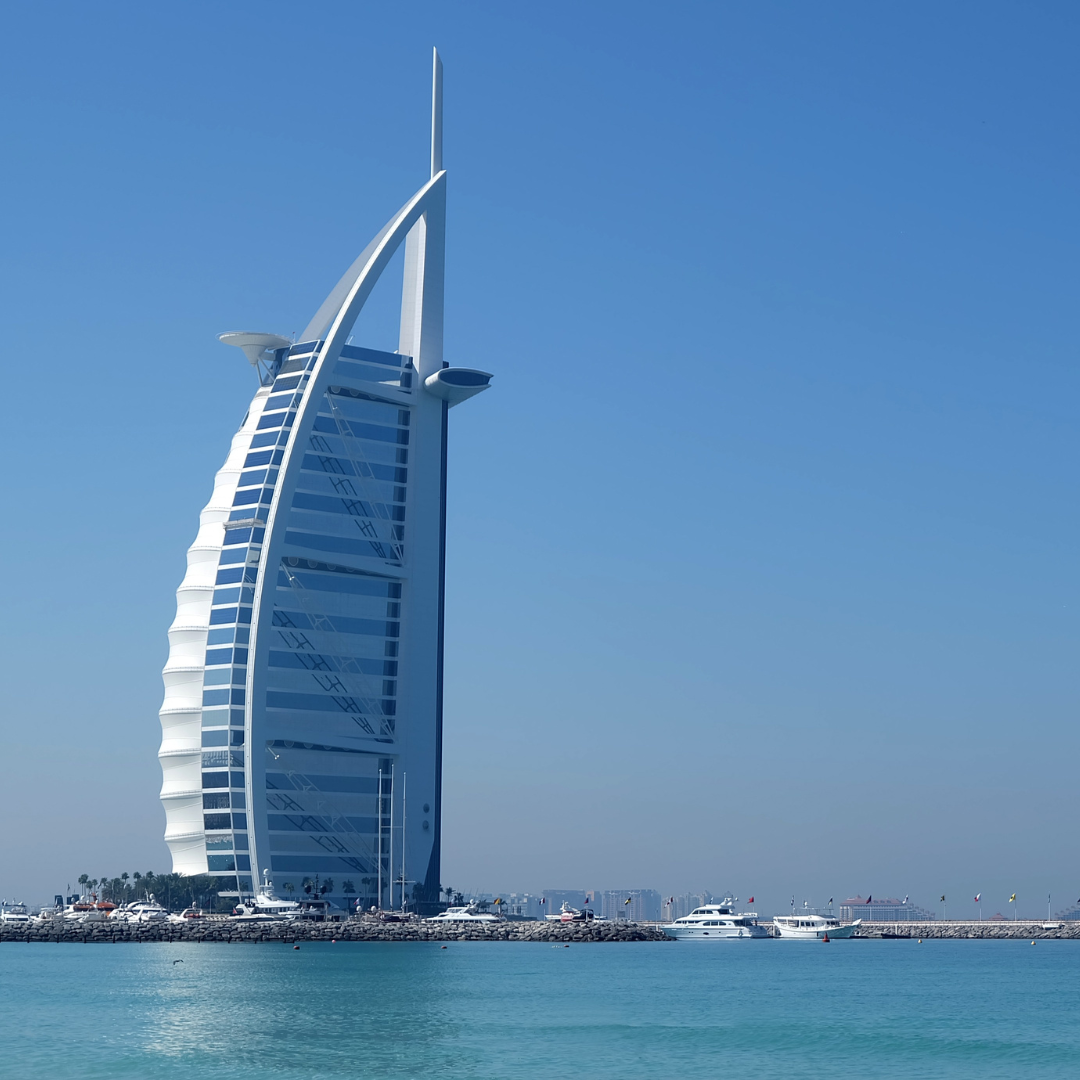
The UAE has several tourist sites and activities. Dubai’s renowned monuments, luxurious hotels, retail malls, and active nightlife attract travelers seeking cosmopolitan experiences. Abu Dhabi has museums and the Sheikh Zayed Grand Mosque. The UAE offers gorgeous beaches, desert adventures, world-class amusement parks, and athletic events.
Safety
The UAE is safe and stable. The country has a low crime rate and strives to keep citizens and tourists safe. People and companies trust the government’s security, law enforcement, and safety efforts.
Cultural Fusion and Tolerance
The UAE promotes multiculturalism. The country’s multiculturalism respects diverse cultures and customs. The UAE’s Year of Tolerance and Ministry of Tolerance promote diversity and understanding.
Quality of Life
The UAE has contemporary amenities, top-notch healthcare, education, and a cosmopolitan lifestyle. Luxury residential projects, entertainment, great food, and shopping make living in the UAE delightful.
Strategic Location
As a gateway between East and West, the UAE is a handy center for international travel and business. Trade and logistics for multinationals are facilitated by its closeness to key global markets.
International Events and Expos
The UAE is known for holding these. The UAE’s capacity to stage big events, such as Formula 1 races and international tennis tournaments, attracts people from around the world.
The UAE’s visionary leadership, devotion to innovation, and pursuit of excellence make it a desirable location for individuals, enterprises, and visitors.
The United Arab Emirates (UAE) is a popular tourist destination because of its unique blend of cutting-edge infrastructure, rich cultural history, security, and friendly locals.
They provide a wide range of exciting opportunities, from sightseeing in cutting-edge metropolises to learning about ancient customs to relaxing in luxurious spas to doing business in glittering skyscrapers.